Overview
A drone landing gear designed to ensure safe landings and prevent cargo damage by mimicking the shock-absorbing skeletal structure of a cat.
Key Highlights
1. Problem
During drone deliveries, packages and their internal contents are at risk of damage upon landing or dropping, necessitating an improved landing gear system for effective shock absorption.
2. Mechanism & Design
Developed a 3D-printed landing gear that replicates the leg proportions of a cat’s skeleton. To mitigate impact, neodymium magnets were integrated between the joints to utilize repulsive forces like a spring, and PVC foam was attached to the bottom of the feet. The legs were arranged radially, rather than straight, for enhanced stability and buffering.
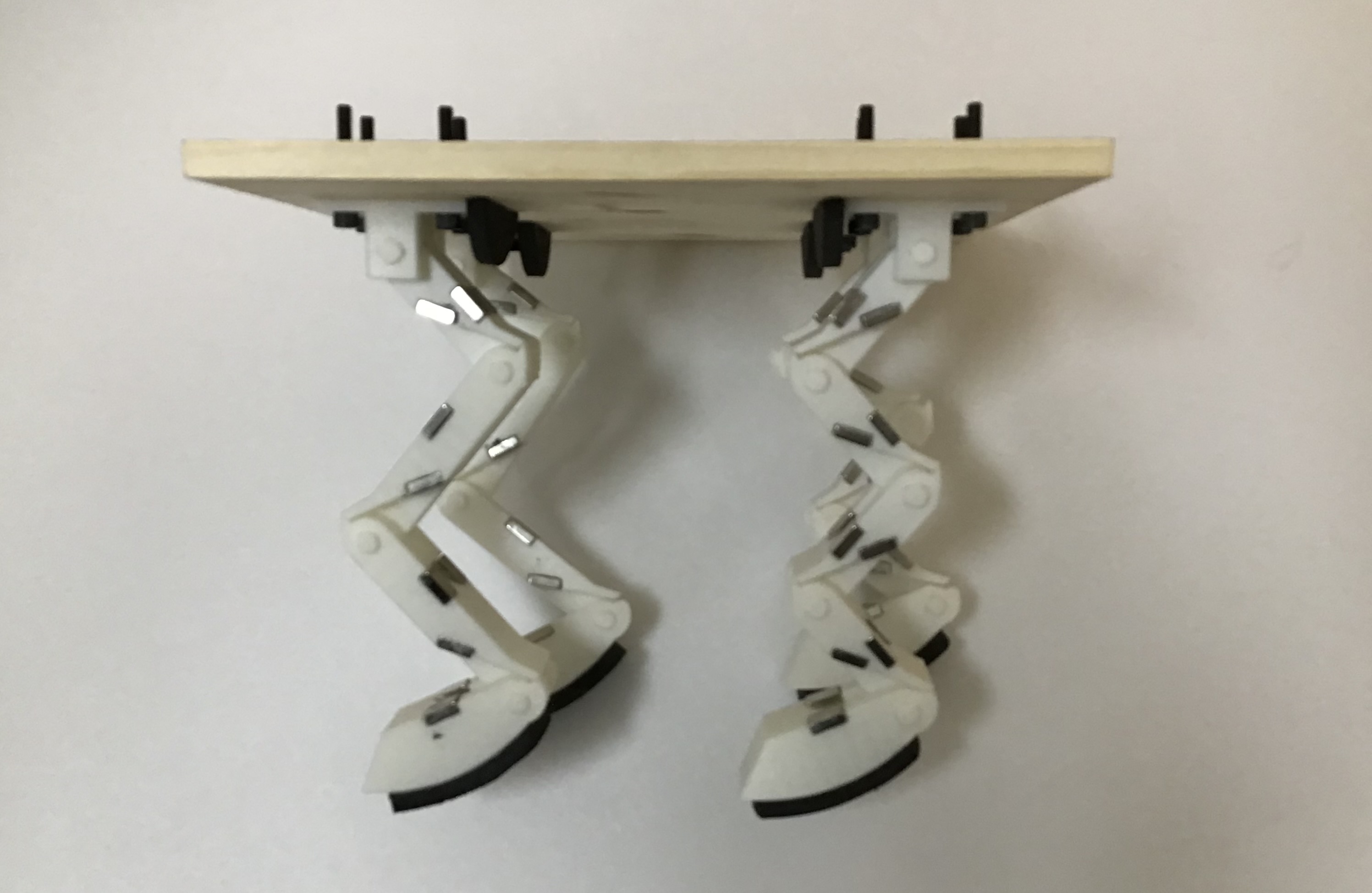
*Fig. 1: Straight (11-shaped) Leg Arrangement Model* Initial design mimicking a cat's straight leg stance. Neodymium magnets between joints act as shock-absorbing springs.
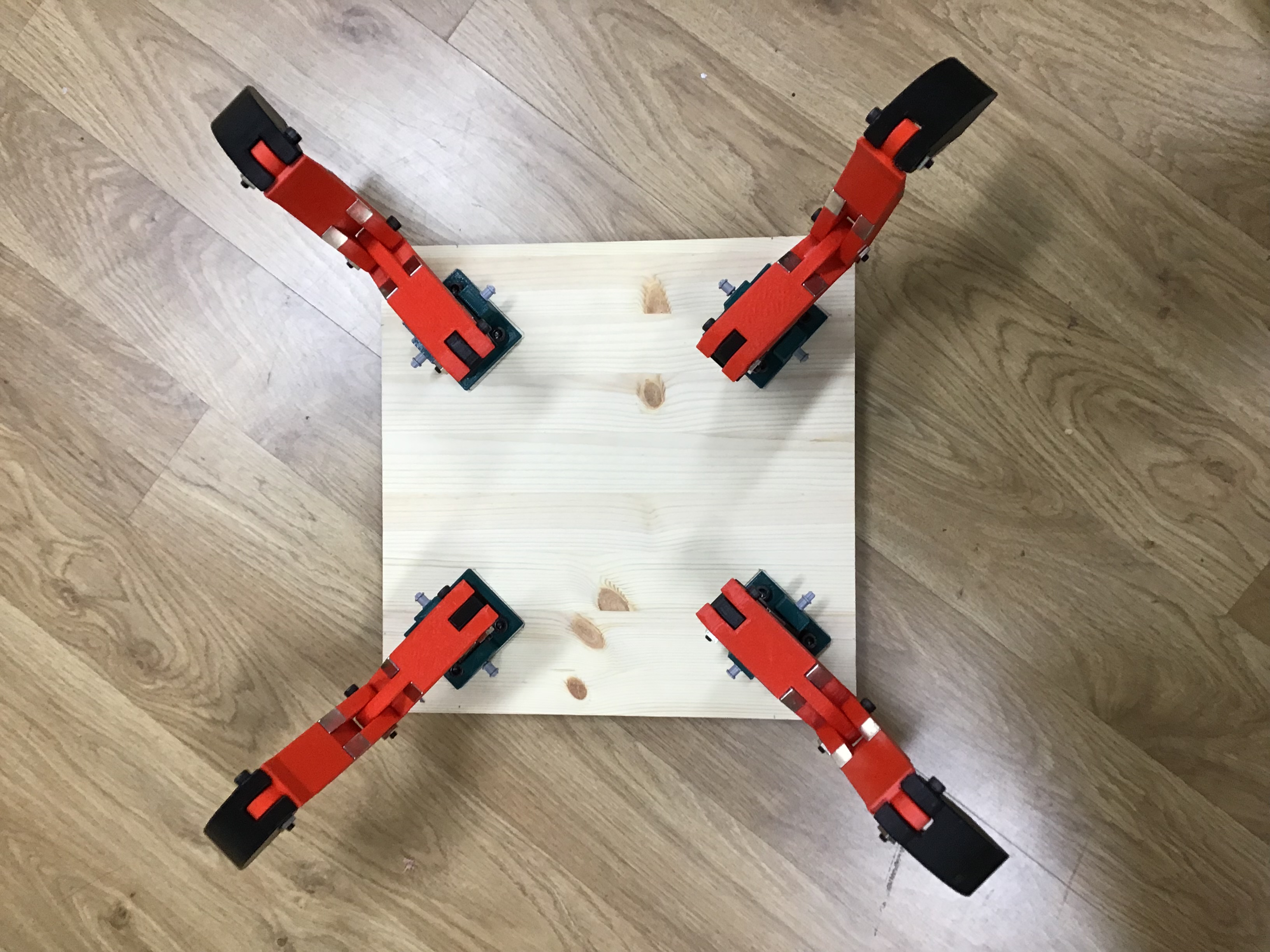
*Fig. 2: Radial Leg Arrangement Model* Legs are attached radially to distribute impact evenly, offering superior shock absorption and landing stability.
3. Performance
Drop tests demonstrated that a 1.5kg model could reliably land from a height of 1m. Furthermore, when the drop height was kept under 50cm, the system successfully supported a heavier 3kg model. The radial leg arrangement also proved to have superior buffering performance compared to a straight, 11-shaped arrangement.
4. Validation
Drop experiments were conducted using a PASCO motion (ultrasonic) sensor to continuously measure position, velocity, and acceleration. The results verified that the mechanism successfully generated a damped oscillation, which effectively prolonged the impact time and significantly reduced the overall impact force.
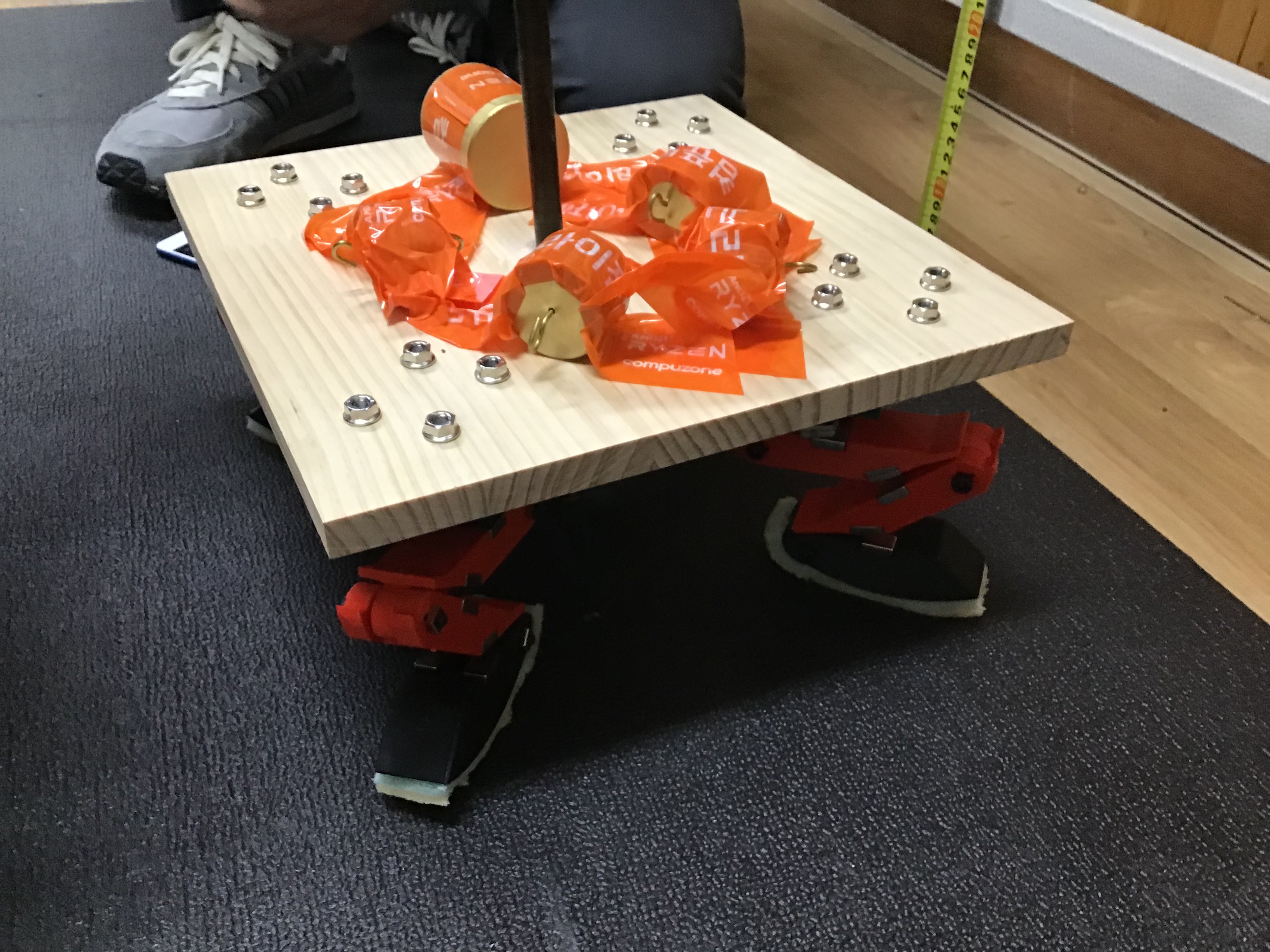
*Fig. 3: Drop Experiment Setup* A central rod ensures a straight vertical drop, while weights are distributed circularly to prevent structural damage.